By using our website, you agree to the use of cookies as described in our Cookie Policy
Do NYC Offices Need Cleaning After Every Workday?
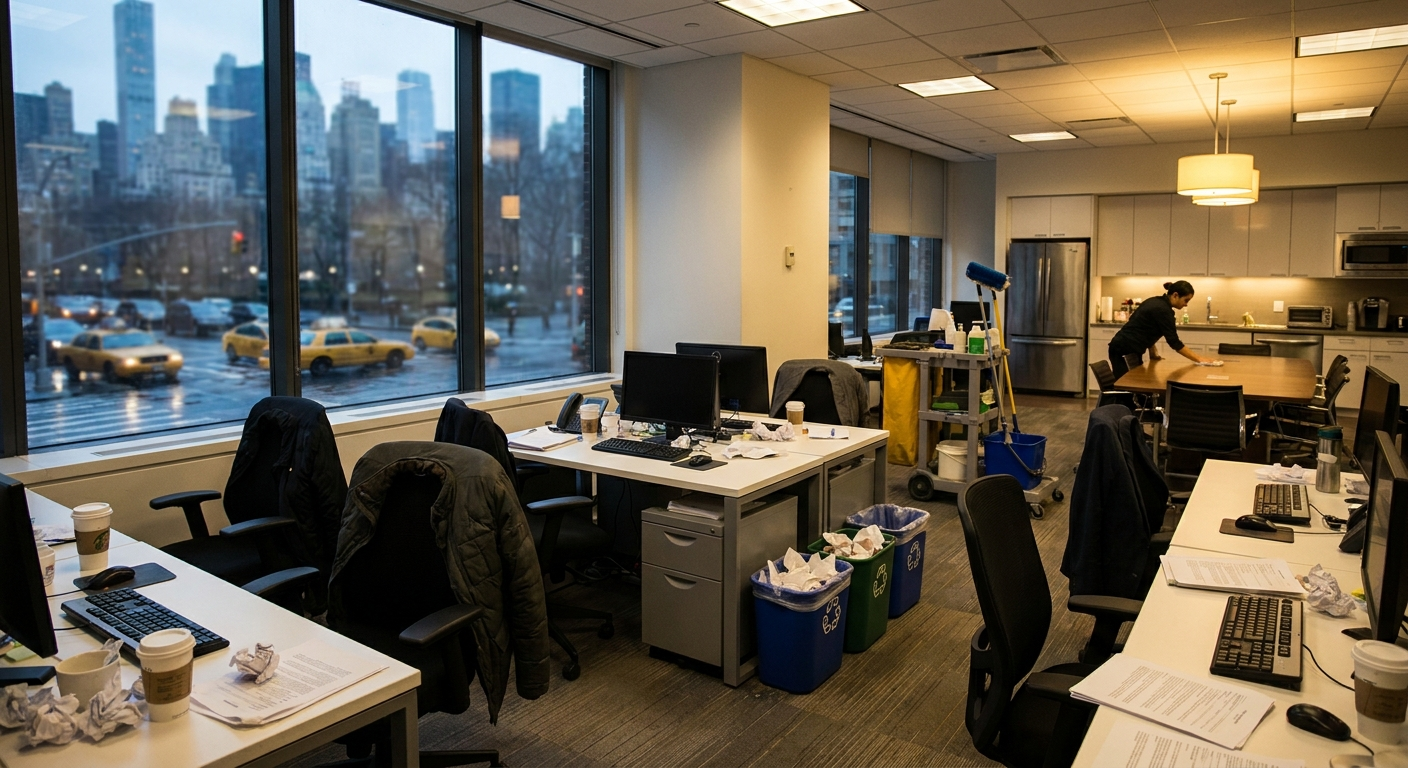
Most office managers think cleaning is just a checkbox. Sweep, wipe, done. But the reality inside New York City workspaces is messier than that — and if you're not staying ahead of it, you're putting your team and your reputation at risk. Manhattan foot traffic alone brings more grime through your lobby in a week than most suburban offices see all year. Every handshake carries germs. Every commute drags in particles. And every shared surface becomes a potential liability if it's not addressed daily.
So here's the truth. If you're running an office in this city, daily cleaning isn't paranoia. It's protection. Your employees deserve better than last week's coffee rings and yesterday's dust. Your clients shouldn't walk into a conference room that smells stale or looks tired. And if you think skipping a day here and there won't matter, you're betting against biology — and losing.
The Subway Brings More Than Commuters
We operate in one of the densest cities on the planet. Millions of people ride the subway, walk crowded sidewalks, and touch the same door handles. That means every employee walking through your front door is carrying microscopic hitchhikers — bacteria, viruses, allergens, pollution residue. It's not their fault. It's the city.
Daily cleaning isn't about being obsessive. It's about acknowledging what's real. High-touch areas like door handles, elevator buttons, shared desks, and breakroom counters accumulate contaminants fast. If those surfaces aren't wiped down and disinfected regularly, they become breeding grounds. One sick employee becomes three. Three becomes six. Productivity tanks, morale drops, and suddenly you're short-staffed during your busiest quarter.
Your Clients Notice More Than You Think
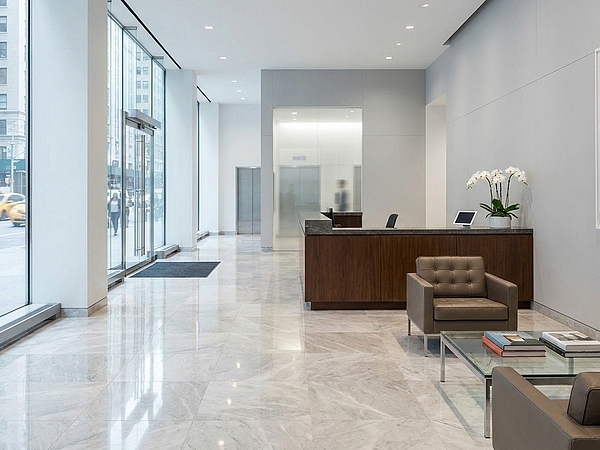
First impressions aren't made in the pitch deck. They're made in the lobby, the hallway, and the bathroom. A prospect walking into your office for the first time is scanning for signals — professionalism, attention to detail, stability. A dusty reception desk or a trash bin that's overflowing? That's a red flag. It whispers neglect, even if your financials are pristine.
We've worked with businesses that lost contracts not because of pricing, but because the client didn't feel confident in the environment. Clean spaces communicate competence. Dirty ones raise doubts. And in a competitive market like New York, you don't get second chances to undo a bad first look.
Employee Performance Lives or Dies on Environment
Clutter drains focus. Grime breeds distraction. When your team walks into an office that smells off, looks chaotic, or feels neglected, their brains register stress before they even sit down. That's not theory — that's cognitive load at work. Clean environments reduce mental friction and make room for actual thinking.
Daily cleaning also signals respect. It tells your people that their workspace matters. That their health matters. That the company isn't cutting corners where it counts. Morale isn't built on free snacks alone. It's built on consistent care, and a clean office is one of the most visible forms of that care. Professional commercial cleaning helps offices reduce sick days and keeps your team healthy throughout the year.
Compliance Isn't Optional in This City
New York doesn't play around with health and safety codes. Depending on your industry and building, you may be legally required to maintain certain sanitation standards. Miss those benchmarks, and you're looking at fines, failed inspections, or worse — a shutdown notice that puts you out of business while you scramble to fix what should've been handled daily.
Even if you're not in a highly regulated field like food service or healthcare, building management often imposes cleanliness requirements through lease agreements. Ignoring them can jeopardize your tenancy. We've seen businesses forced to relocate mid-lease because they couldn't keep up with basic hygiene expectations. That's avoidable — if you treat cleaning as infrastructure, not afterthought.
What Daily Cleaning Actually Covers
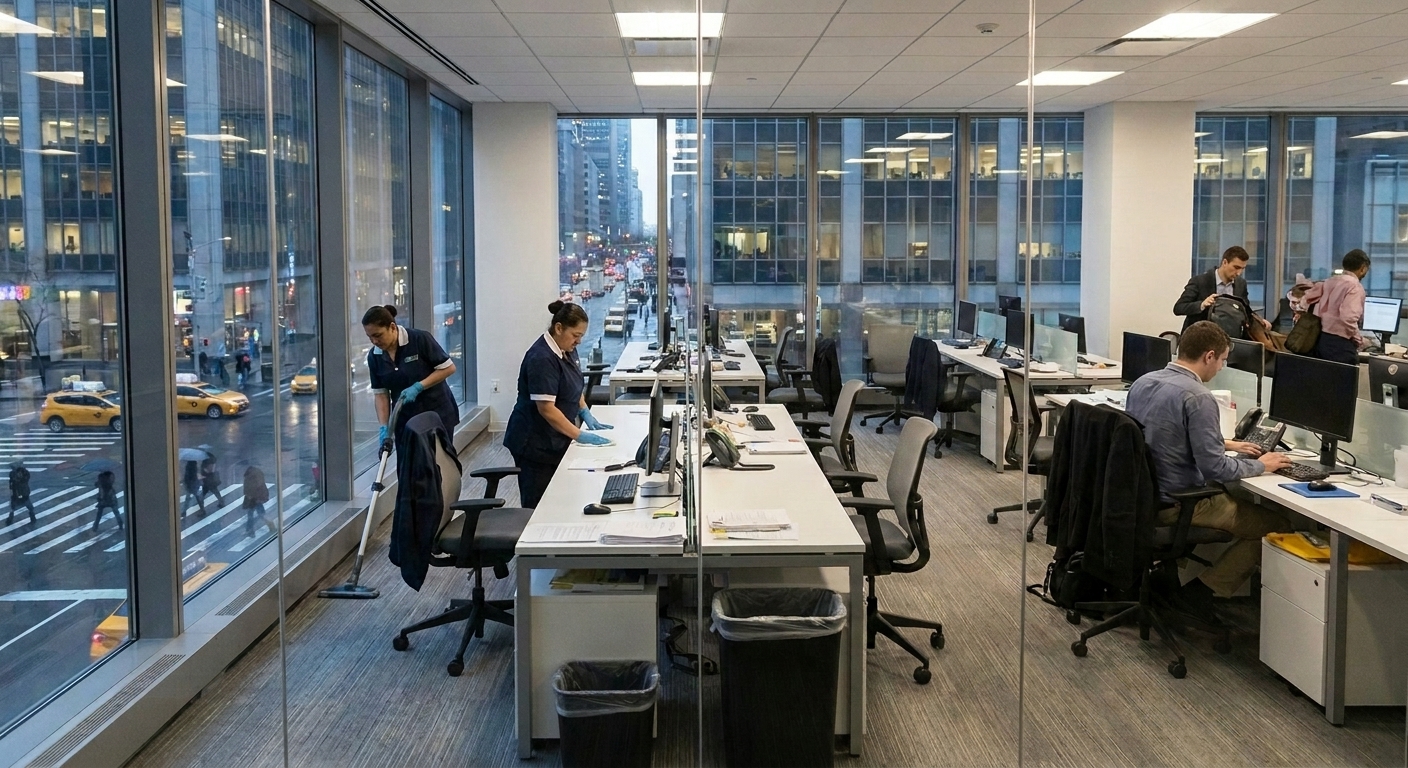
Not all cleaning schedules look the same, but a solid daily service should hit the essentials. That means emptying trash, wiping down desks and shared surfaces, disinfecting restrooms, vacuuming or mopping floors, and restocking supplies. These aren't luxuries. They're baseline operations that keep an office functional and safe.
Here's what a typical daily clean should include:
- Trash removal from all workstations and common areas
- Disinfection of high-touch surfaces like door handles, light switches, and keyboards
- Restroom sanitization, including toilets, sinks, mirrors, and floors
- Vacuuming carpets and mopping hard floors to remove dirt and allergens
- Restocking paper products, soap, and hand sanitizer
When Skipping a Day Actually Costs You
Think you can stretch cleaning to every other day and save a few bucks? Maybe. But the risk isn't worth the savings. Germs multiply exponentially. Dust accumulates. Stains set in. What savings. Germs multiply exponentially. Dust accumulates. Stains set in. What takes ten minutes to wipe today takes thirty tomorrow — and might require a deep clean by the end of the week.
We've watched businesses try to cut costs by reducing cleaning frequency, only to spend more later on emergency services, sick leave, or replacing furniture ruined by neglect. The math doesn't work. Daily maintenance is cheaper than reactive damage control, and it's infinitely less stressful. Understanding the right office cleaning schedule can save you time and money in the long run.
Green Cleaning Doesn't Mean Weak Cleaning
Some office managers worry that eco-friendly products won't get the job done. That's outdated thinking. Modern green cleaning solutions are just as effective as traditional chemicals — often more so — without the harsh fumes or residue that irritate lungs and skin. In a city where air quality is already compromised, using sustainable products is both smart and responsible.
Here's why green cleaning works for NYC offices:
- Reduces indoor air pollution and allergens
- Safer for employees with asthma or chemical sensitivities
- Minimizes environmental impact without sacrificing cleanliness
- Aligns with corporate sustainability goals and ESG reporting
- Often extends the lifespan of office furniture and finishes
Tailoring Frequency to Your Office's Reality
Not every office needs the same intensity of cleaning. A three-person startup in a 500-square-foot space has different needs than a 50-person firm spread across two floors. But even small teams benefit from daily attention to shared spaces — kitchens, bathrooms, entryways. Those areas don't care how many people you employ. They get dirty fast.
The best approach is to assess your traffic, your square footage, and your tolerance for risk. Then build a schedule that keeps things tight without overextending your budget. Most professional commercial cleaning companies in New York offer customizable plans that let you dial services up or down based on actual usage, not guesswork.
Common Mistakes That Undermine Office Hygiene
Even businesses that invest in cleaning services sometimes sabotage their own efforts. Mixing personal habits with professional standards is one of the fastest ways to undo a clean workspace. Employees eating at desks, leaving wet umbrellas on carpet, or ignoring spills create problems that cleaners can't fix retroactively.
Here's where most offices go wrong:
- Letting employees treat desks like storage units instead of workspaces
- Ignoring spills or messes until the next cleaning cycle
- Failing to enforce "clean desk" policies before the crew arrives
- Not providing enough trash bins or recycling stations
- Skipping periodic deep cleans for carpets, upholstery, and windows
What to Look for in a NYC Cleaning Partner
Hiring the cheapest service rarely ends well. You want a team that shows up on time, uses quality products, and understands the specific demands of New York offices. That means flexibility for early-morning or late-night cleans, responsiveness when you need extra coverage, and proof of insurance in case something gets damaged.
Ask about training, certification, and whether they use EPA-approved disinfectants. Check references. Look for companies that have been operating in the city for years, not fly-by-night operations with no track record. A good cleaning partner becomes an extension of your operations team — not just a vendor you barely remember.
Why DIY Office Cleaning Doesn't Scale
Some startups try to handle cleaning internally to save money. That works for a month. Maybe two. Then someone forgets to order supplies. Or the person assigned to vacuum calls in sick. Or the trash piles up because "it's not my job." Before long, the office looks worse than if you'd never tried at all.
Professional cleaners don't forget. They don't get distracted. They don't resent the work because it's literally what they're trained to do. Outsourcing office cleaning frees your team to focus on revenue-generating tasks, not scrubbing toilets. The ROI is immediate and measurable.
Key Signs Your Office Needs Daily Attention
Not sure if daily cleaning is overkill for your space? Look around. If any of the following apply, you're already overdue for a consistent schedule. Knowing if your NYC office needs deep cleaning starts with recognizing these warning signs.
- Visible dust on desks, monitors, or shelves by midweek
- Restrooms that smell or run out of soap regularly
- Trash bins overflowing before the next scheduled pickup
- Employees complaining about allergies or stuffiness
- Clients commenting on the state of your lobby or conference rooms
Keeping It Consistent Without Breaking the Budget
Daily cleaning doesn't have to drain your operating budget. Many services offer tiered pricing based on square footage, frequency, and scope. You can start with essential daily tasks and add deep cleans monthly or quarterly. The key is consistency. A predictable schedule costs less over time than sporadic emergency cleans that charge premium rates.
We recommend setting a fixed budget and working backward. Identify your non-negotiables — restrooms, entryways, kitchens — and build from there. Most reputable cleaning companies will work with you to maximize value without compromising results. And if your business grows, your cleaning plan should scale with it.
The Real Cost of Cutting Corners
Skimping on cleaning might save you a few hundred dollars a month. But one norovirus outbreak? That's thousands in lost productivity, potential workers' comp claims, and reputational damage. One client who walks out disgusted? That could be a six-figure contract you'll never see again. The risks far outweigh the savings. In fact, learning how to keep NYC offices clean during flu season demonstrates just how critical consistent cleaning is to business continuity.
We help New York businesses protect their spaces, their people, and their bottom lines by treating cleaning like the operational necessity it is — not an expense to minimize. Your office is where your team spends most of their waking hours. It's where deals get made and ideas take shape. It deserves to be clean, safe, and welcoming every single day.
Let’s Make Your Office Shine
We know how much a spotless office matters in New York City—both for your team’s well-being and your company’s reputation. If you’re ready to take the guesswork out of daily cleaning and want a partner who understands the unique demands of NYC offices, let’s talk. Call us at 347 483-3992 or get a quote today and see how we can help your workspace stand out for all the right reasons.
‹ Back
Recent Posts
-

Can Office Cleaning in Manhattan Help Create a Healthier Workplace?
September 11, 2026
-
-
Is Your NYC Facility Clean Enough for Client First Impressions?
August 14, 2026
-
-
Is Your NYC Workspace Missing Key Deep Cleaning Areas?
July 17, 2026