By using our website, you agree to the use of cookies as described in our Cookie Policy
Can NYC Retail Stores Stay Clean Without Disrupting Customers?
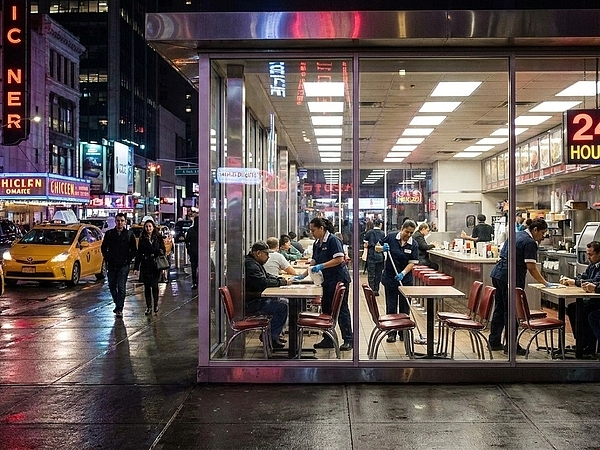
Most retail managers think cleaning is either invisible or intrusive. You scrub when no one's looking, or you accept that mops and buckets will awkward up the aisles during peak hours. But there's a third option — one that doesn't ask customers to dodge wet floor signs or pretend they don't notice someone wiping down shelves three feet away. New York stores move fast. Foot traffic doesn't pause. And if your cleaning strategy hasn't caught up to that reality, you're either sacrificing hygiene or annoying the people who pay your rent.
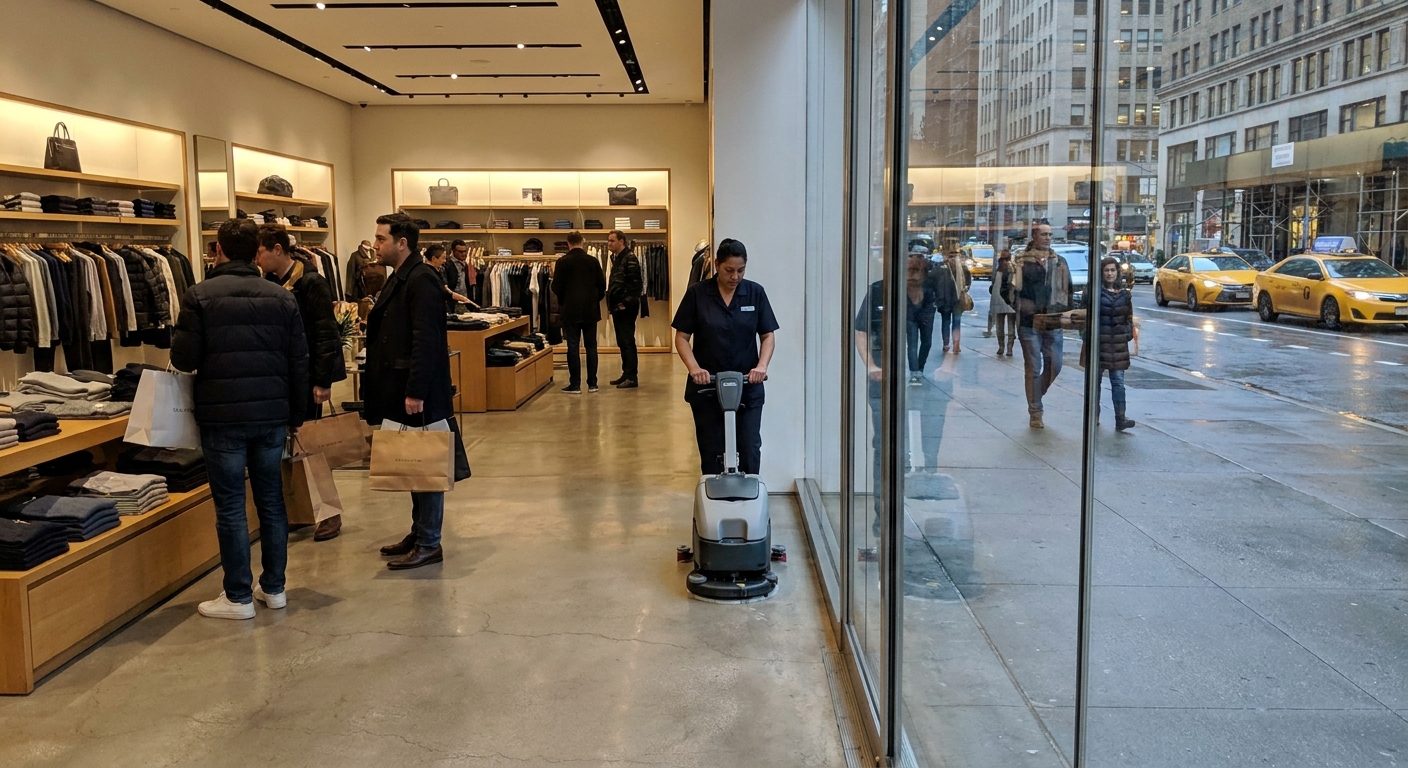
Here's what we know. Shoppers notice grime. They also notice disruption. The trick isn't choosing one over the other — it's designing a system where neither becomes the problem. That means rethinking when, how, and with what tools we approach store maintenance. It's not about working harder. It's about working smarter, with less friction and more intention.
Grime Drives Customers Out Faster Than You Think
A dirty store isn't just unpleasant — it's a dealbreaker. Smudged glass, sticky floors, dust on displays — these aren't minor details. They signal neglect. And in a city where competition is around every corner, neglect costs sales. Customers make snap judgments. They walk in, scan the space, and decide within seconds whether they want to stay. If the first thing they see is a grimy checkout counter or a trash bin overflowing near the entrance, they're already halfway out the door.
Post-pandemic, the stakes got higher. Hygiene isn't just preference anymore — it's expectation. Visible cleanliness reassures people. It tells them you care about their safety, not just their wallets. And when trust is on the line, a spotless store becomes part of your brand. Ignore that, and you're not just losing customers — you're losing credibility.
Cleaning During Business Hours Usually Backfires
The moment a mop bucket rolls onto the sales floor during lunch hour, the vibe shifts. Customers start navigating around obstacles. Staff members get pulled into cleanup mode instead of service mode. The whole operation slows down. And if someone slips on a wet patch or complains about chemical smells, you've got a problem that's bigger than dirt ever was.
Traditional cleaning methods weren't built for high-traffic retail. They assume downtime — time when no one's browsing, no one's asking questions, no one's trying to check out. But New York doesn't operate on downtime. Stores that try to force old-school cleaning into active hours end up frustrating everyone. The goal isn't just clean floors. It's clean floors that don't require customers to tiptoe or wait.
Off-Peak Hours Are the Cleanest Opportunity
The simplest fix is also the most effective. Clean when customers aren't there. Deep scrubs before opening or after closing let teams work without constraint. No one's in the way. No one's watching. And the store opens fresh every morning, with zero evidence that maintenance ever happened.
We've seen this work across dozens of Manhattan retailers. Early-morning crews handle floors, windows, restrooms, and high-touch surfaces before doors unlock. Evening teams reset displays, vacuum fitting rooms, and wipe down counters after the last transaction. The result? Customers never see the work, only the outcome. That's the standard worth aiming for.
Spot Maintenance Keeps Things Tight Without the Show
Even with off-hours cleaning locked in, messes happen mid-shift. Someone spills coffee. A kid drops a snack. Dressing rooms get cluttered. These aren't reasons to roll out the full cleaning arsenal — they're opportunities for quick, targeted fixes that don't announce themselves.
Smart stores train staff to handle spot cleaning as part of normal flow. A discreet wipe-down here. A quick sweep there. The key is speed and subtlety. Customers shouldn't feel like they're in the middle of a cleanup operation. They should just notice that everything stays tidy, even during the busiest stretches. That takes coordination, but it's worth it. Small interventions prevent big disruptions.
Tools That Work Quietly Change Everything
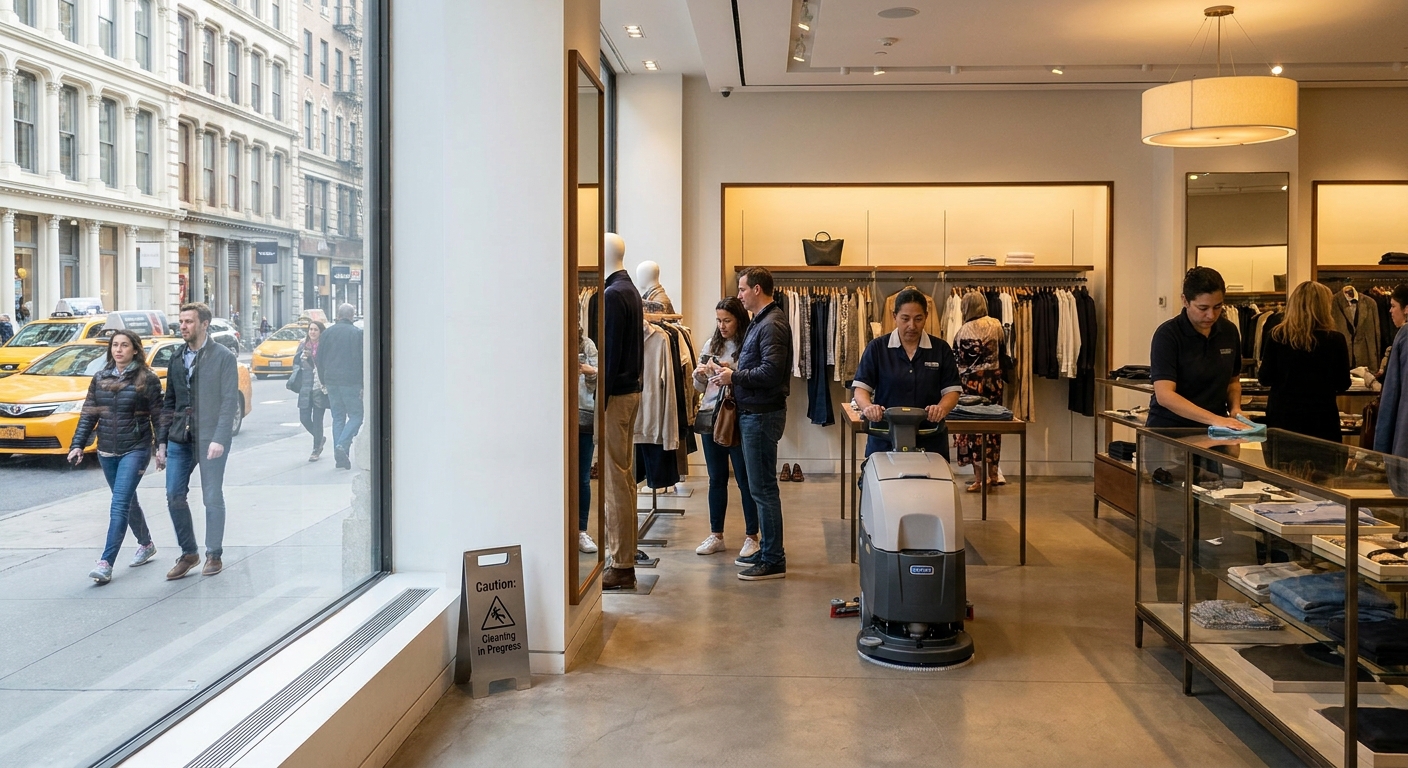
Technology has finally caught up to retail's needs. Robotic floor cleaners glide through aisles during slow periods, operating so quietly that most shoppers don't even register them. Cordless vacuums let staff clean without hunting for outlets or dragging cables across walkways. UV sanitizers treat surfaces without chemicals or residue. These aren't gimmicks — they're practical upgrades that make cleaning faster, quieter, and less obtrusive.
We're also seeing more stores adopt touchless fixtures and antimicrobial materials that reduce how often surfaces need attention in the first place. Hands-free dispensers. Self-cleaning glass. Flooring that resists stains and scuffs. When your infrastructure does half the work, your team can focus on the other half without getting in anyone's way.
Here's What Works When You Need Cleaning to Blend In
- Schedule heavy-duty cleaning before store hours so customers never see the effort, only the results
- Train staff to handle spot cleaning discreetly, treating quick fixes as part of regular service flow
- Deploy robotic or low-noise equipment that operates without drawing attention or creating obstacles
- Use touchless or antimicrobial fixtures to reduce the frequency and visibility of maintenance tasks
- Post subtle signage that reinforces hygiene standards without making cleaning feel like an event
Customer Flow Dictates When and Where You Clean
Every store has a rhythm. Morning rushes. Lunchtime spikes. Late-afternoon lulls. Evening surges before closing. Understanding that rhythm is half the battle. Cleaning during peak hours is a losing game. But cleaning during the dips? That's when you can refresh restrooms, restock supplies, and tidy up displays without anyone noticing.
Flexible staffing helps. If Monday mornings are slow, shift cleaning resources there. If Saturday afternoons are packed, pull back and focus on quick touch-ups instead. Real-time monitoring tools can even alert managers when foot traffic drops, signaling the perfect window to tackle a bigger task. The point is to be reactive, not rigid. Cleanliness shouldn't compete with sales — it should support it.
Transparency Builds Trust Instead of Tension
When customers see that you're actively maintaining hygiene, it doesn't have to feel intrusive. A small sign near the entrance that says "Cleaned every 30 minutes" or "Sanitized hourly" turns a potential annoyance into reassurance. People appreciate knowing you're on top of it. They don't need to see the janitor's cart — they just need to believe the work is happening.
Communication also helps when disruptions are unavoidable. If a spill requires immediate attention, a quick verbal heads-up and a clear path around the area shows respect for customers' time. Most people are reasonable. They understand that maintenance is necessary. What frustrates them is when it's done without consideration for their experience.
What Slows Down Stores That Think They've Got It Handled
- Cleaning during peak hours when customers are actively shopping and staff should be focused on service
- Using loud or bulky equipment that creates obstacles and forces customers to navigate around them
- Relying on harsh chemical smells that linger and make the shopping environment unpleasant
- Ignoring small messes until they become big problems that require disruptive emergency cleaning
- Failing to train staff on quick, discreet maintenance techniques that blend into normal operations
Professional Services Know How to Move Without Being Seen
Retail cleaning isn't the same as office cleaning. The stakes are higher. The windows are tighter. And the margin for error is smaller. That's why more New York stores are bringing in specialists who understand how to work around customers, not through them. These teams come equipped with the right tools, the right training, and the right mindset. They know when to show up, how long to stay, and what to prioritize.
Professional services also offer consistency. You're not relying on in-house staff who already have a dozen other responsibilities. You're partnering with people whose only job is to keep your store immaculate. That focus shows. And when customers notice how clean your space is without ever seeing the work happen, that's the win.
Here's What a Real Cleaning Plan Looks Like
- Map out your store's traffic patterns and identify when foot traffic is lightest for deeper tasks
- Assign spot-cleaning duties to sales staff so they can address messes immediately without waiting
- Invest in quiet, efficient equipment that can operate during slower periods without causing disruption
- Partner with a commercial cleaning service that specializes in retail and understands your constraints
- Communicate your hygiene standards to customers through signage, not through visible cleaning crews
Documentation Keeps Your Standards From Slipping
If you don't track what's getting cleaned and when, standards drift. What started as a thorough daily routine becomes a whenever-we-remember checklist. That's how stores go from spotless to sketchy without anyone noticing the slide. Digital checklists, photo logs, and shift handoff notes keep everyone accountable. They also give managers visibility into what's working and what's not.
We recommend building a simple cleaning dashboard. Track high-touch areas. Log completion times. Note any customer complaints or compliments related to cleanliness. Over time, that data reveals patterns. Maybe restrooms need more frequent checks on weekends. Maybe the entrance gets grimy faster on rainy days. Once you know the trends, you can adjust before problems become visible.
Small Details Separate Good Stores From Great Ones
Customers don't always articulate what makes a store feel premium, but cleanliness is part of it. Dust-free shelves. Streak-free mirrors. Floors that shine without being slippery. These aren't luxuries — they're baseline expectations in a competitive market. And when every detail is dialed in, customers feel it. They stay longer. They browse more. They come back.
The stores that get this right aren't doing anything revolutionary. They're just relentless about the fundamentals. They clean often, clean quietly, and clean with purpose. They don't wait for complaints. They don't let standards slip. And they understand that a clean store isn't just about hygiene — it's about respect. Respect for the product, respect for the brand, and respect for the people who walk through the door expecting better.
Common Mistakes That Turn Cleaning Into a Customer Problem
- Using strong-smelling chemicals during business hours that make customers uncomfortable or trigger sensitivities
- Blocking aisles or displays with cleaning equipment instead of working around active shopping zones
- Leaving wet floors unmarked or poorly signed, creating safety hazards and liability risks
- Over-cleaning visible areas while neglecting restrooms, fitting rooms, or back corners customers actually use
- Treating cleaning as reactive instead of proactive, waiting for messes to pile up before addressing them
Why This Matters More Than Ever
New York retail is under pressure. Rent is high. Margins are tight. Online competition is relentless. The stores that survive aren't just selling products — they're selling an experience. And cleanliness is a non-negotiable part of that experience. It's not enough to have great inventory or friendly staff if the floor is sticky and the windows are smudged. Customers have options. If your store doesn't meet their standards, someone else's will.
The good news? Cleanliness is controllable. It doesn't require a massive budget or a complete overhaul. It just requires intention, consistency, and a willingness to rethink how and when maintenance happens. The stores that figure this out don't just stay clean — they stay competitive. And in a city that never stops moving, that's the only way to keep up. Understanding what retail stores look for in a NYC cleaning company helps managers choose partners who align with their customer-first approach. Many successful retailers also benefit from commercial cleaning services that understand the unique demands of high-traffic environments. For stores seeking comprehensive support, exploring our services can reveal specialized solutions tailored to retail operations. Working with teams familiar with office cleaning protocols can also inform better cross-sector maintenance strategies. To learn more about customized cleaning programs, visit Impeccable Cleaning NYC or contact our team directly.
Let’s Make Your Store Shine—Without the Disruption
We know how important it is for your customers to feel comfortable and impressed every time they walk through your doors. That’s why we focus on cleaning solutions that keep your store spotless and your shoppers undisturbed. If you’re ready to see how seamless retail cleaning can be, give us a call at 347-483-3992 or get a quote today. Let’s create a cleaner, more inviting space together.
‹ Back
Recent Posts
-
When Should You Clean Your New NYC Office After Moving?
September 25, 2026
-

Can Office Cleaning in Manhattan Help Create a Healthier Workplace?
September 11, 2026
-
-
Is Your NYC Facility Clean Enough for Client First Impressions?
August 14, 2026
-