By using our website, you agree to the use of cookies as described in our Cookie Policy
Do NYC Businesses Need 24/7 Cleaning for Busy Operations?
Most business owners figure cleaning happens once a day. Maybe twice if you're lucky. But in New York City, where foot traffic doesn't stop and doors stay open when most of the country goes dark, that math doesn't work. You can't afford downtime, and you can't afford grime building up between shifts. The question isn't whether cleanliness matters — it's whether your schedule can keep up with your operation.
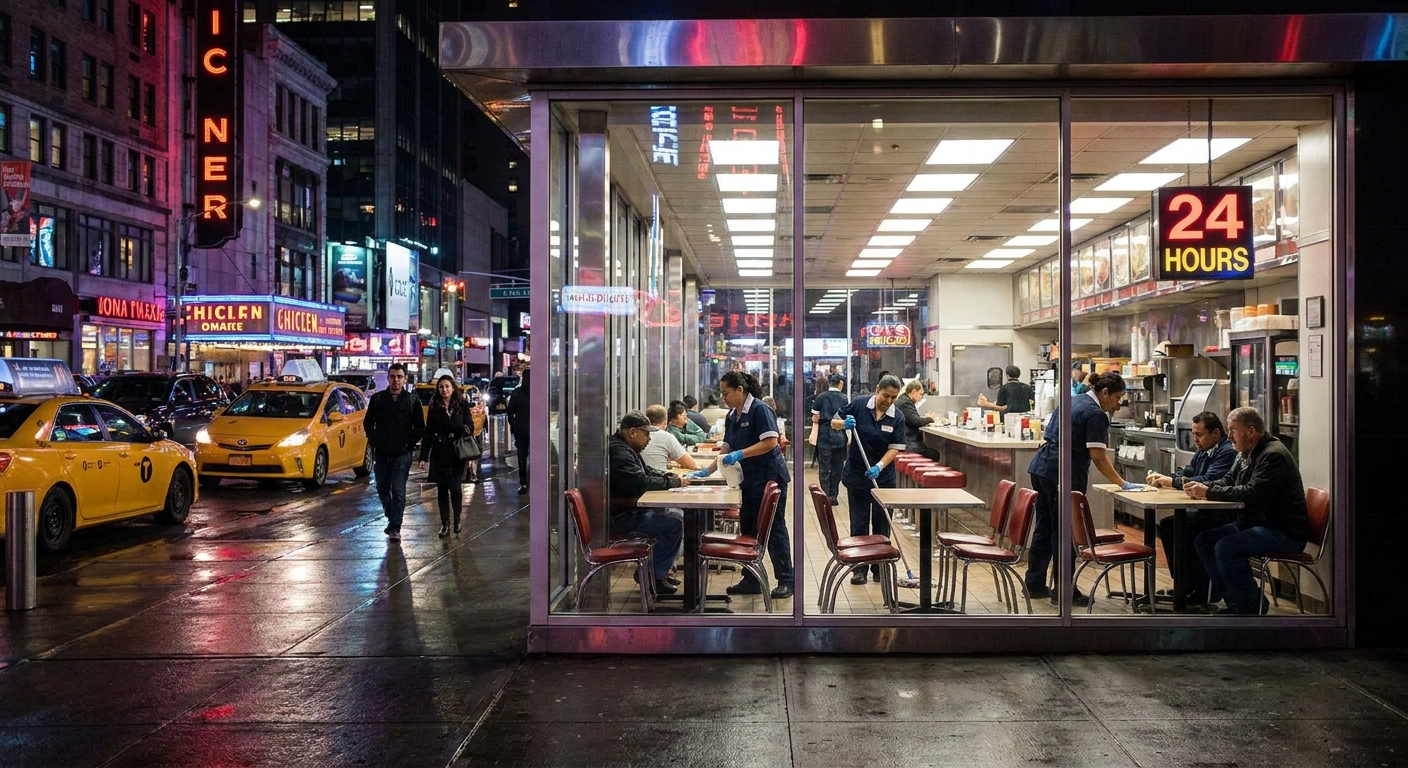
Here's the reality. If your business runs lean hours, traditional janitorial service might cut it. But if you're pulling customers at midnight, serving breakfast at five, or hosting overnight crews, you need a cleaning plan that matches the pace. Otherwise, you're playing catch-up every morning — and your customers notice before you do.
High Traffic Means High Maintenance
New York doesn't slow down. Restaurants flip tables until two in the morning. Retail stores stay lit through evening rushes. Office towers house teams working across time zones. When your operation runs nonstop, dirt and debris pile up faster than any single cleaning crew can handle in one pass.
This isn't about being picky. It's about volume. Every person who walks through your door leaves something behind — scuff marks, coffee spills, fingerprints, germs. Multiply that by hundreds or thousands of visitors per day, and you've got a problem that doesn't wait for closing time. Continuous cleaning keeps the mess from snowballing into something visible, sticky, or worse.
Health Codes Don't Wait for Business Hours
The city doesn't care when you're open. Health inspectors can show up any time, and violations stick whether you're slammed or slow. New York has some of the toughest sanitation standards in the country, and businesses that serve food, host guests, or handle high volumes of people are held to an even higher bar.
Post-pandemic, expectations jumped again. Disinfecting high-touch surfaces once a day isn't enough anymore. Restrooms need attention every few hours. Entryways get dirty faster than you think. If your cleaning schedule ends at six and your doors stay open until midnight, you're gambling with compliance — and reputation.
Customers Judge Fast and They Judge Hard
Walk into a store at noon, and it better look like it opened five minutes ago. Walk in at eleven at night, same deal. Customers don't adjust their standards based on the clock. They see a grimy floor or a overflowing trash bin, and they're gone. In a city where competition sits on every block, cleanliness is one of the few things you control completely.
First impressions happen in seconds. A spotless space signals professionalism, safety, and care. A dirty one signals the opposite — even if your product or service is solid. Continuous cleaning eliminates the risk of someone catching your business at its worst. Every hour counts when perception drives decisions.
Your Crew Deserves a Clean Space Too
Employees working overnight or odd shifts shouldn't walk into yesterday's mess. A cluttered, dirty workspace kills morale and spreads illness. If your team is touching shared equipment, using communal break rooms, or dealing with customers in tight quarters, cleanliness isn't a perk — it's a baseline expectation.
Clean environments reduce sick days. They also reduce turnover. Workers notice when their health and comfort aren't prioritized, especially when they're grinding late hours or weekends. Keeping conditions consistent across all shifts shows you're serious about supporting everyone on the roster, not just the day crew.
Industry-Specific Cleaning Needs Vary Widely
Not every business needs the same level of attention, but certain industries can't afford to gamble. Here's where round-the-clock cleaning makes the biggest difference:
- Restaurants and food service operations must stay ahead of grease, spills, and bacteria to avoid violations and keep kitchens safe
- Hotels and hospitality venues handle guest turnover at all hours and need lobbies, hallways, and amenities spotless around the clock
- Gyms and fitness centers accumulate sweat, germs, and equipment wear quickly, especially during peak evening and early morning hours
- Transportation hubs like terminals and stations see constant crowds and require frequent waste removal and surface disinfection
- Office buildings with flexible or hybrid schedules need office cleaning that adapts to unpredictable occupancy patterns
The Math on Investment vs. Outcome
Some owners balk at the cost of extended cleaning. But think about what you're avoiding. Pest problems cost thousands to fix. Health code violations can shut you down. Employee illness drains productivity. Customer complaints damage your brand faster than you can respond.
Professional cleaning companies offer flexible plans. You don't have to hire a full crew for every hour — you structure service around your peak times and problem areas. The upfront spend protects you from bigger losses down the line. And in a market as tight as New York, reputation is everything. Lose it over something as fixable as cleanliness, and you're fighting an uphill battle.
Frequency Options That Fit Real Operations
Not every business needs true 24/7 coverage, but most need more than a single nightly sweep. Here's how businesses are structuring cleaning to match their pace:
- Spot cleaning during operating hours to handle spills, restroom upkeep, and high-traffic zones without disrupting customers
- Shift-based cleaning that aligns with employee changeovers or lulls in activity
- Deep cleaning overnight when spaces are empty and crews can move freely
- Touchpoint disinfection multiple times per day to keep surfaces safe between major cleanings
- On-call services for unexpected messes or events that draw larger crowds than usual
When DIY Cleaning Falls Short
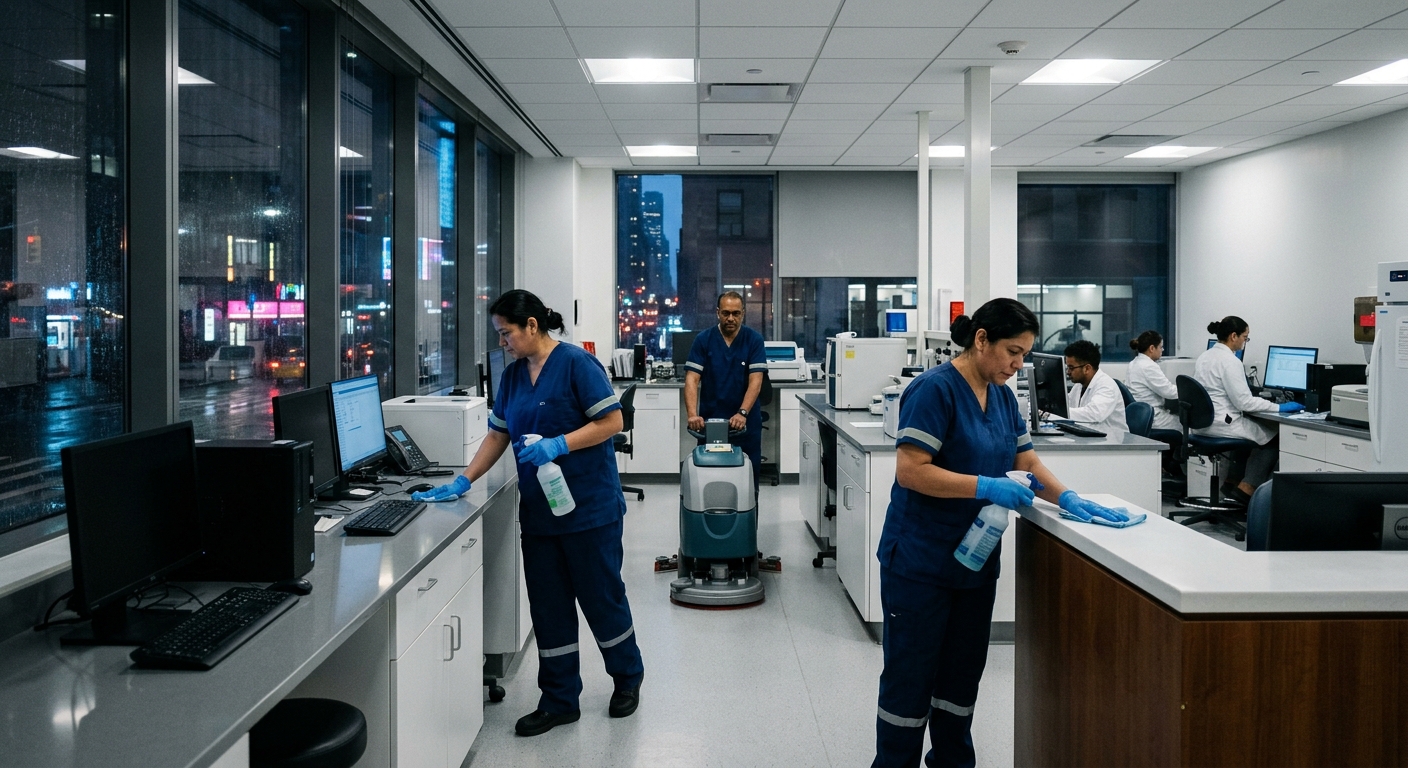
Some businesses try to handle cleaning in-house. That works if you've got the staff, the time, and the training. But most don't. Employees pulled into cleaning duty aren't doing the job they were hired for. And without proper equipment or protocols, they're not cleaning effectively anyway.
Professional cleaners bring speed, expertise, and accountability. They know which products work on which surfaces. They follow health regulations. They show up on schedule and document their work. That's especially important if you're ever audited or need to prove compliance. You can't fake a paper trail when it matters most.
Documentation Protects You When It Counts
If a health inspector walks in or a customer files a complaint, you need proof that you're doing the work. Cleaning logs, service records, and product receipts matter. Professional services provide documentation automatically. If you're managing cleaning internally, you need systems in place to track every task, every shift, every day.
This isn't paranoia. It's protection. When something goes wrong — and eventually something will — your records show you acted responsibly. That can be the difference between a warning and a fine, or between a lawsuit and a quick settlement.
Common Mistakes That Cost Businesses
Even businesses that invest in cleaning can trip up if they're not strategic. Here's where we see owners go wrong:
- Scheduling cleaning only during off-hours and ignoring daytime maintenance needs
- Using untrained staff or generic products that don't meet industry standards
- Skipping restrooms or break areas because they're not customer-facing
- Failing to adjust cleaning frequency during busy seasons or special events
- Neglecting to communicate cleaning expectations clearly with service providers or internal teams
What to Look for in a Cleaning Partner
If you're bringing in outside help, don't just pick the cheapest option. You need a provider who understands your industry, your hours, and your standards. Ask about their experience with businesses like yours. Check references. Make sure they're insured and that their crews are trained in the latest sanitation protocols.
Flexibility matters too. Your needs will change. A good cleaning partner adjusts without making you renegotiate your entire contract. They should also provide clear communication — when they're on-site, what they're doing, and how to reach them if something needs immediate attention.
Planning for Peak Times and Special Events
Holidays, product launches, conferences, and other events can double your usual traffic overnight. If your cleaning plan doesn't scale, you're in trouble. Smart businesses build surge capacity into their agreements so they can ramp up coverage when needed without scrambling at the last minute.
This also applies to seasonal shifts. Summer tourism, winter holidays, and back-to-school periods all change foot traffic patterns. Anticipate those swings and adjust your cleaning schedule accordingly. Reactive planning leads to messes that linger longer than they should.
Cleaning That Matches Your Pace
Running a business in New York means operating at a speed most cities never touch. You can't afford weak links, and cleaning is one area where shortcuts show up fast. Whether you need full 24/7 coverage or a smarter mix of shift-based service and deep cleans, the goal is the same — keep your space ready for whoever walks in, whenever they walk in. The businesses that get this right don't just survive the city's pace. They use it as an edge.
Let’s Keep Your Business Ready Around the Clock
We know how relentless New York’s pace can be, and we’re here to help you stay ahead of the mess. Let’s work together to create a cleaning plan that keeps your business spotless, no matter the hour. If you’re ready to make a change, call us at 347 483-3992 or get a quote today and see how we can help your operation shine every day and night.
‹ Back
Recent Posts
-

Can Office Cleaning in Manhattan Help Create a Healthier Workplace?
September 11, 2026
-
-
Is Your NYC Facility Clean Enough for Client First Impressions?
August 14, 2026
-
-
Is Your NYC Workspace Missing Key Deep Cleaning Areas?
July 17, 2026