By using our website, you agree to the use of cookies as described in our Cookie Policy
How Often Retail Spaces in NYC Should Schedule Cleaning
Retail floors in Manhattan don't stay clean by accident. Between subway grime tracked in on shoes, street dust blowing through every door swing, and thousands of hands touching displays daily, dirt accumulates faster than most owners expect. The question isn't whether you need a cleaning routine — it's how aggressive that routine needs to be to keep up with the reality of operating in one of the densest commercial environments on the planet.
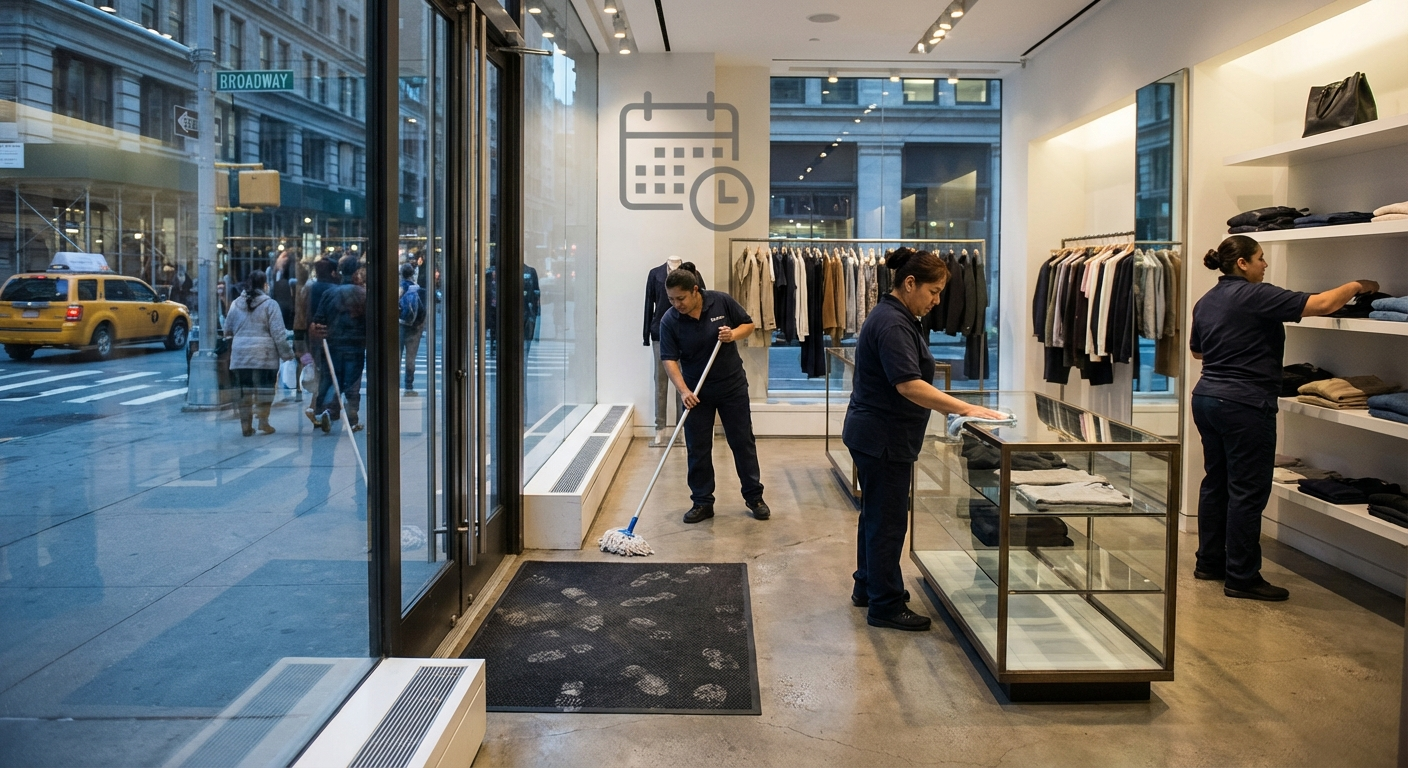
We've seen stores lose foot traffic over smudged glass and sticky floors. We've watched health inspectors flag businesses that thought weekly mopping was enough. The truth is, your cleaning schedule should match your exposure — not your budget wishlist. If you're pulling in heavy traffic, your maintenance plan needs to reflect that. Otherwise, you're just letting the mess compound until it becomes a liability.
What Needs Attention Every Single Day
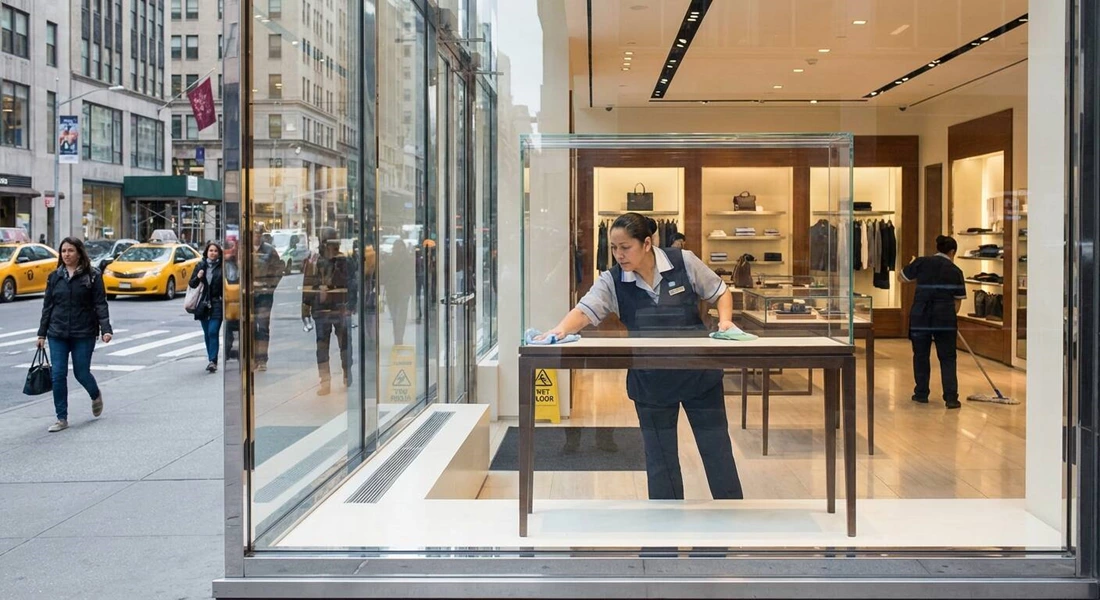
Daily cleaning isn't optional for NYC retail. It's baseline survival. High-touch zones get hammered from open to close, and if you're not resetting them every night, you're starting each morning behind. That means counters, door handles, checkout stations, and display glass all need a wipe-down before you flip the sign.
Floors take the worst of it. Sweeping and mopping should happen after closing, and if your location sees serious volume, a midday pass might be necessary just to keep things presentable. Trash needs to go out daily — sometimes more if you're in food or beauty. Restrooms, if you offer them, should be checked and cleaned multiple times throughout operating hours. Skipping any of this creates a compounding problem that no amount of deep cleaning will fix later.
- Wipe down all customer-facing surfaces and touchpoints
- Sweep and mop floors after close, spot-clean during peak hours if needed
- Empty trash bins and restock restroom supplies
- Clean glass doors, windows, and display cases
- Dust shelves and merchandise as needed
Weekly Tasks That Keep Things From Falling Apart
Once a week, you need to go deeper. Daily maintenance handles the surface, but grime builds in places you don't notice until it's obvious to everyone else. Floors need more than a mop — they need a scrub, a buff, or a steam clean depending on the material. Storage areas and back rooms should be sanitized, and anything behind or under fixtures needs attention.
This is also when you hit the stuff that doesn't scream for help but quietly drags down your space. Baseboards collect dust. Vents get clogged. Light fixtures dim under layers of particulate. If you're not addressing these weekly, they become monthly problems — or worse, they become part of the background until a customer points them out in a review.
- Deep clean floors with appropriate equipment
- Sanitize storage and prep areas
- Dust vents, baseboards, and light fixtures
- Clean behind and under display units
- Inspect for early signs of pest activity or moisture issues
Monthly and Seasonal Resets
Some cleaning doesn't need to happen every week, but it can't be ignored indefinitely. Monthly deep cleans should include washing walls, treating carpets or rugs, and checking for mold or pest intrusion. These are the tasks that prevent long-term damage and keep your space from deteriorating under the weight of daily wear.
Seasonal cleaning is your chance to reset the entire operation. Before and after major shopping periods — holidays, back-to-school, summer sales — schedule a full-scale clean that includes inventory rooms, staff areas, and exterior entrances. This isn't just about appearance. It's about making sure your infrastructure can handle the next wave of traffic without breaking down.
- Wash walls and treat stains
- Deep clean carpets and upholstery
- Inspect for mold, leaks, or structural wear
- Clean exterior entrances and signage
- Perform a full inventory room and staff area reset
Traffic Dictates Frequency
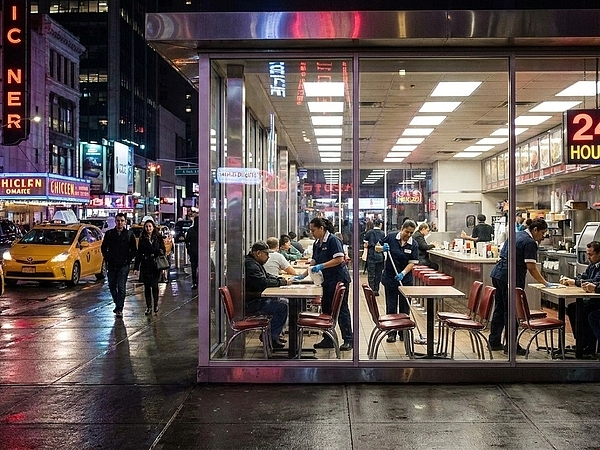
Not every retail space in New York operates under the same conditions. A boutique in the West Village doesn't face the same cleaning demands as a flagship store in Times Square. Volume matters. Location matters. What you sell matters. If you're moving hundreds of people through your doors daily, your cleaning schedule needs to be more aggressive than a shop that sees a trickle of regulars.
Food and cosmetics retailers face stricter standards because contamination isn't just unsightly — it's a health code violation. Larger stores need staggered cleaning throughout the day to cover all zones without shutting down operations. And if you're hosting events or running promotions, expect to add extra cleaning before, during, and after to manage the surge.
- High-traffic locations require more frequent cleaning cycles
- Food and beauty retailers must meet stricter sanitation standards
- Larger stores benefit from staggered cleaning to avoid disruption
- Special events demand additional pre- and post-cleaning
Bringing In the Professionals
Most NYC retailers don't have the bandwidth to handle deep cleaning in-house. That's where professional services come in. They've got the equipment, the expertise, and the ability to work around your hours without disrupting business. A good cleaning company knows retail environments and understands the difference between a quick pass and a thorough job.
When you're vetting services, look for experience in commercial cleaning and references from other NYC businesses. Ask about their availability, their equipment, and how they handle last-minute requests. The right partner doesn't just clean — they help you stay ahead of problems before they become visible to customers.
Building a Schedule That Actually Works
A cleaning schedule only works if it's realistic and enforced. Map out daily, weekly, monthly, and seasonal tasks. Assign responsibilities to staff or coordinate with your cleaning service so nothing slips through. Review the plan regularly and adjust based on changes in traffic, layout, or business needs. What worked in February might not cut it in December.
Documentation matters too. Keep logs of what was cleaned, when, and by whom. If a health inspector shows up or a customer raises a concern, you'll want proof that you've been maintaining standards. It's not paranoia — it's protection.
Cleanliness Is a Competitive Edge
In a city where customers have endless options, a dirty store is a dealbreaker. People notice smudges, sticky floors, and neglected corners — and they remember them. A tight cleaning schedule isn't just about compliance or aesthetics. It's about signaling that you care about the experience you're offering. That attention to detail builds trust, drives repeat visits, and keeps your reputation intact in a market that doesn't forgive sloppiness.
Let’s Keep Your Store Ready for Anything
We know how quickly things can get out of hand in a busy NYC retail space, but you don’t have to tackle it alone. Let’s work together to keep your store spotless and inviting, no matter how much foot traffic you see. Give us a call at (347) 483-3992 or get a quote and we’ll help you stay ahead of the mess.
‹ Back
Recent Posts
-

Can Office Cleaning in Manhattan Help Create a Healthier Workplace?
September 11, 2026
-
-
Is Your NYC Facility Clean Enough for Client First Impressions?
August 14, 2026
-
-
Is Your NYC Workspace Missing Key Deep Cleaning Areas?
July 17, 2026